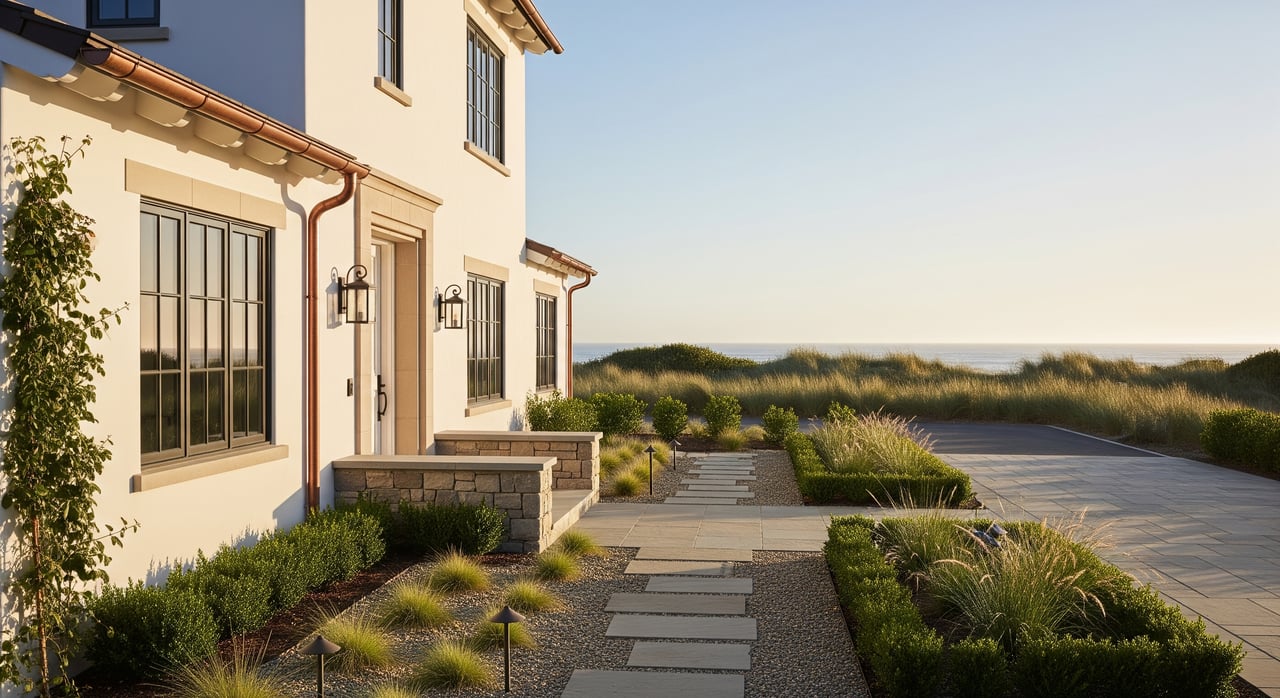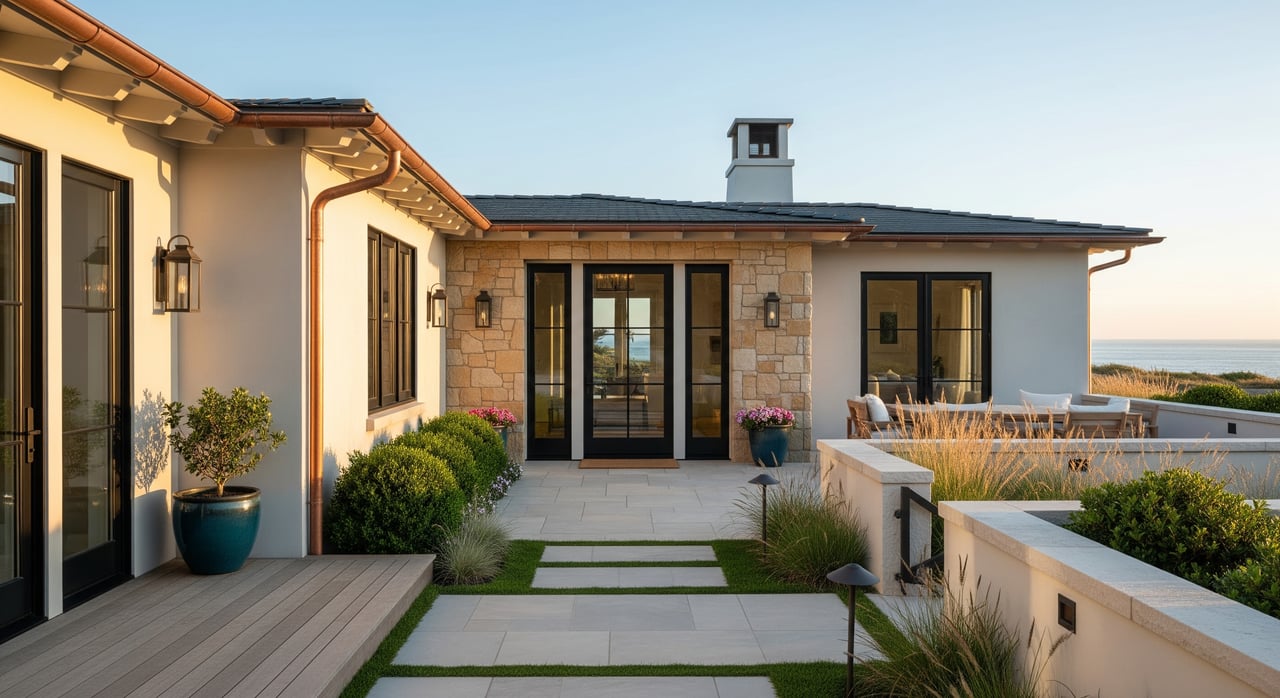
Salt air and ocean views are why you love Carmel, but that same salt and moisture can quietly chip away at your home and your sale price. If you plan to list, a little coastal-specific maintenance goes a long way toward stronger offers and fewer surprises in escrow. In this guide, you’ll get a focused checklist tailored to Carmel-by-the-Sea that covers what to fix, what to permit, and what to document. Let’s dive in.
Why coastal maintenance matters in Carmel
Carmel’s shoreline homes face unique forces like salt spray, fog, and heavy winter storms that speed up corrosion and wear. Local studies show sections of Scenic Drive and beachfront infrastructure are exposed to erosion and wave overtopping in sea-level rise scenarios, which makes documentation and drainage care especially important for bluff and near-shore properties. You can point to the City’s findings when you disclose known conditions and recent work on your home’s exterior and site systems. See the City’s recent Coastal Engineering Study summary for context on shoreline exposure and infrastructure vulnerability along Carmel Beach and Scenic Drive (City of Carmel staff report).
High-impact fixes to protect price
Roof and building envelope
- Schedule a professional roof inspection before listing and after major storms. Have flashing, ridge caps, and fasteners checked for corrosion and replace with coastal-rated materials as needed (FEMA Coastal Construction Manual).
- Clean the roof and gutters to remove salt, algae, and debris that trap moisture. A clean envelope signals care and reduces leak risk.
- Reseal and repaint exposed surfaces with products rated for marine environments. Document what you used and when.
Windows and doors
- Inspect caulk lines, weatherstripping, and sills for gaps or failures. Re-caulk where needed and confirm smooth operation.
- Address fogging between panes or corroded hardware. Buyers flag these issues quickly and often ask for credits (FEMA Coastal Construction Manual).
Decks and railings
- Check deck ledgers, joist hangers, and connectors for rust or decay. Replace compromised hardware and confirm proper flashing at the ledger.
- Upgrade exposed connectors to corrosion-resistant options appropriate for coastal settings to extend service life and reassure buyers (FEMA Coastal Construction Manual).
Foundation and drainage
- Verify that gutters, downspouts, and site drains move water away from the foundation and do not concentrate runoff near a bluff edge or retaining wall.
- If you are near the shoreline or see any slope movement, consider a current geotechnical opinion and document any storm drain or seawall repairs. The City’s coastal work highlights stormwater exposure along the bluff, so clean records matter (City coastal study summary).
Systems, moisture, and pests
HVAC near the ocean
- Rinse outdoor condenser fins every 1 to 3 months and schedule service before you list. If your unit is older, ask about coil coatings or coastal-rated replacements and keep the service receipts handy (coastal HVAC guidance).
Moisture and ventilation
- Order a full home inspection with a moisture focus on the attic, crawlspace, and baths. Improve ventilation and repair any leaks before photos or showings to prevent musty odors and buyer concerns (FEMA Coastal Construction Manual).
Termites and wood-destroying organisms
- Get a structural pest inspection and complete any recommended treatments. Provide completion notices to buyers. Termites are common along the California coast, so proactive reporting reduces renegotiation risk (UC IPM termite guidance).
Landscape, trees, and wildfire
- Create simple defensible space by clearing debris from gutters, tidying beds, and spacing combustible items. Small changes in the 0 to 5 foot zone around the house can help with insurance conversations and buyer confidence (home hardening overview).
- Do not remove or heavily prune significant trees without checking City rules. Carmel requires permits and oversight for many tree alterations, and unpermitted work can disrupt a sale (Carmel tree code).
Permits, disclosures, and documentation
Permits and design review in Carmel
- Many exterior changes such as major window replacements, decks, fences, and visible façade updates require permits and may trigger design review. Confirm requirements with Planning and Building early to avoid surprises during escrow (see Carmel municipal code resources such as Title 17 references).
Coastal development considerations
- Shoreline work like seawalls, coastal stairs, or bluff stabilization may require Coastal Act approvals in addition to City permits. Disclose any armoring and permit history clearly to buyers (learn more about the California Coastal Commission).
Required disclosures in California
- Prepare the Real Estate Transfer Disclosure Statement and the Natural Hazard Disclosure, which address known defects and hazard zones. Include copies of inspection reports and receipts to reduce perceived risk (overview of CA disclosure framework).
Your maintenance file
- Assemble a concise packet for showings: home, roof, and pest inspection reports; HVAC service records; receipts for repairs; permits and finaled inspections; and any coastal or geotechnical letters. Buyers and lenders value organized proof of care (FEMA Coastal Construction Manual).
90-day prep timeline
60 to 90 days out
- Order a general home inspection, roof inspection, pest inspection, and HVAC service.
- Price and schedule priority repairs. Start permit checks for any exterior work.
30 to 60 days out
- Complete roof flashing and fastener fixes, deck and ledger repairs, moisture and ventilation improvements, and any termite treatment.
- Reseal windows and repaint exposed areas as needed. Keep all invoices.
0 to 30 days out
- Do an exterior rinse to remove salt residue, clean gutters, and refresh landscaping while honoring defensible space.
- Finalize your maintenance file for buyers and your agent.
Ready to list with confidence
If you want a tailored prep plan and a marketing strategy that showcases your home at its best, let’s talk. With premium presentation and a clear maintenance story, you can protect your price and move forward with confidence. Connect with Lisa Antonacci to plan your next steps.
FAQs
What should Carmel-by-the-Sea sellers fix first?
- Start with the roof, envelope sealing, drainage, and any termite or moisture issues because these affect durability, insurance, and buyer confidence most.
How often should I clean or service coastal exteriors?
- Plan on more frequent checks than inland homes, including seasonal roof and gutter cleaning and regular inspections of fasteners, sealants, and decks.
Do I need permits to prune or remove trees in Carmel?
- Often yes; Carmel regulates significant tree work and may require permits and conditions, so confirm with the City before altering trees.
What inspections do buyers expect in coastal sales?
- A full home inspection, roof inspection, and a structural pest inspection are standard, with HVAC service records and moisture findings ready to share.
Which disclosures are required for California home sales?
- You must complete the Real Estate Transfer Disclosure Statement and Natural Hazard Disclosure and include known defects, permits, and relevant reports.